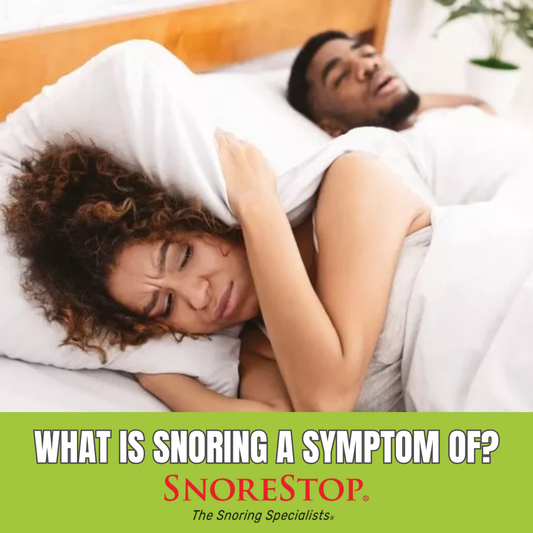
What Is Snoring a Symptom Of?
Causes, Risks, and When to See a Doctor
What is snoring a symptom of? Learn about short and long-term causes of snoring, health risks, treatment options, and expert resources for sleep health.
Snoring is a common nighttime issue affecting millions of people. While often dismissed as merely annoying, snoring can actually be a symptom of underlying health conditions, some of which may require medical attention. Understanding what snoring signifies from lifestyle factors to serious sleep disorders is key for improving sleep quality and long-term health.
In this detailed guide we’ll explore:
-
What causes snoring
-
Short-term and long-term reasons for snoring
-
When snoring indicates a serious health concern
-
Evidence-based treatments
-
FAQs

What Causes Snoring?
Snoring happens when airflow through the mouth and nose is partially blocked during sleep. This airflow causes tissues in the throat to vibrate and that creates the familiar snoring sound. The severity, frequency, and loudness of snoring can vary widely among individuals.
The most common causes include:
Anatomy of the Mouth and Throat
-
Enlarged tonsils or adenoids
-
Long soft palate or uvula
-
Deviated septum
-
These anatomical structures can narrow the airway and increase snoring. According to the Mayo Clinic, structural features significantly impact snoring and sleep quality.
Lifestyle Factors
-
Alcohol consumption before bedtime relaxes throat muscles and increases snoring.
-
Smoking leads to inflammation of the airway lining.
-
Medications like sedatives can also reduce muscle tone in the throat.
Obesity
Excess weight, especially around the neck, can narrow the airway. The Centers for Disease Control and Prevention (CDC) confirms that overweight or obese individuals have higher rates of snoring and sleep-related breathing disorders.
Short-Term Causes of Snoring
Some cases of snoring are temporary and related to short-lived conditions:
1. Nasal Congestion
A cold, allergy flare-up, sinus infection, or nasal blockage forces breathing through the mouth, increasing snoring.
2. Alcohol or Sedative Use
Drinking alcohol within a few hours of sleep, even socially, can relax muscles and trigger snoring.
3. Sleep Position
Lying on your back allows the tongue and soft tissues to fall backward into the throat, narrowing the airway.
4. Temporary Weight Fluctuations
Short-term weight gain due to lifestyle changes (e.g., lack of exercise or changes in diet) can make snoring worse.
In these cases, snoring may improve once the underlying issue resolves.
Long-Term Causes of Snoring
When snoring persists for weeks or months, it can be a symptom of more chronic conditions.
1. Obstructive Sleep Apnea (OSA)
One of the most critical chronic causes of snoring is Obstructive Sleep Apnea. OSA involves repeated pauses in breathing due to airway blockage during sleep.
Signs of OSA include:
-
Loud, persistent snoring
-
Gasping or choking sounds during sleep
-
Excessive daytime sleepiness
-
Morning headaches
-
Difficulty concentrating
According to the American Academy of Sleep Medicine, untreated OSA raises the risk of cardiovascular issues, hypertension, and accidents due to fatigue.
2. Chronic Allergies
Long-term allergic rhinitis can cause ongoing nasal congestion that contributes to snoring.
3. Hormonal Changes
Hormonal variations, such as during menopause, can affect muscle tone and aggravate snoring.
4. Aging
Muscle tone naturally decreases with age — including in the throat — potentially increasing snoring over time.
Why Snoring Matters: Health Risks of Chronic Snoring
Snoring isn’t just a sleep nuisance — it often reflects broader health concerns.
Possible Health Impacts
-
Daytime fatigue and decreased alertness
-
Increased risk of heart disease and high blood pressure
-
Poor sleep quality for both the snorer and their partner
-
Higher likelihood of metabolic syndrome
Research published in reputable medical sources shows that snoring and sleep-disordered breathing are associated with increased risks of cardiovascular disease.
Diagnosis: When to See a Doctor
It’s a good idea to seek medical advice if:
-
Snoring is loud and persistent
-
You feel fatigued during the day
-
You’ve been told you stop breathing at night
-
You wake with a headache or with a dry mouth
Healthcare professionals may recommend:
-
A sleep study (polysomnography)
-
Nasal airway evaluation
-
Lifestyle assessment
Early diagnosis, especially for suspected OSA, improves outcomes.
Treatments for Snoring
Here are simple approaches:
Lifestyle Adjustments
-
Lose weight
-
Avoid alcohol before bed
-
Sleep on your side
-
Maintain good sleep hygiene
- Open airways naturally
Here are clinical approaches:
Surgical Options
In some anatomical cases, surgical correction of nasal deviated septum or removal of tonsils/adenoids may help. Consult with an ETN Specialist.
Frequently Asked Questions (FAQs)
1. Is snoring always a sign of a problem?
No. According to WebMD, only 12% of people who snore have Obstructive Sleep Apnea (OSA). Occasional or nightly snoring can be benign especially if the snoring is not associated with the common symptoms and causes of sleep apnea. However, loud chronic snoring with pauses or gasps may indicate conditions like obstructive sleep apnea.
2. Can children snore?
Yes. Children can snore due to tonsil or adenoid enlargement, allergies, or sinus issues. Persistent snoring in children should be evaluated by a pediatrician.
3. Does losing weight help snoring?
Absolutely. Reducing excess weight can decrease tissue around the airway and often reduces snoring.
4. Can sleeping position affect snoring?
Absolutely. Sleeping on your back can make snoring worse, while side sleeping often reduces airway obstruction.
5. When should I be concerned about sleep apnea?
If you experience pauses in breathing, gasping at night, or significant daytime sleepiness, speak with a sleep specialist these are key signs of sleep apnea.
Snoring is more than just a noisy nighttime quirk. It ranges from common, harmless sleep sounds to warning signs of serious health issues like obstructive sleep apnea. If your snoring is frequent, loud, or accompanied by daytime symptoms, getting evaluated by a healthcare professional is a smart step toward better sleep and long-term health.
For evidence-based information, always consult high-authority health resources like the Mayo Clinic, the American Academy of Sleep Medicine, and the CDC and consider talking to a certified sleep specialist for personalized care.