

The best sleeping position to stop snoring is on your side, because side sleeping stops the tongue and soft palate from falling back into the throat. If side sleeping is uncomfortable, raise your head with a wedge pillow or an adjustable bed, use an anti-snore pillow or sleep on your stomach. Sleeping flat on your back makes snoring worse.
Position changes work best for people who snore mainly on their back, and they work from the first night. Side sleepers who still snore usually have a second trigger, such as a blocked nose, evening alcohol or extra weight. A body pillow or a tennis ball sewn into a sleep shirt trains you off your back within a few weeks.

What is the best sleeping position to stop snoring?
Side sleeping is the best sleeping position to stop snoring. Lying on your side keeps the tongue, soft palate and uvula from sliding backward, so air passes through the throat with less vibration. For many people who snore only on their back, rolling onto their side is enough to stop the snoring completely.
Why does sleeping on your back make you snore?
Sleeping on your back makes you snore because gravity pulls the base of the tongue and the soft palate toward the back of the throat. That narrows the airway, and the faster air moving through the narrow space makes the soft tissue vibrate. Back sleeping also relaxes the throat muscles more, which is why some people snore only in this position and why chronic snorers get louder on their back.

4 sleeping positions that stop snoring
These 4 sleeping positions stop snoring by keeping the airway open while you sleep.
1. Sleep on your side
Sleep on your side with a pillow under your head that fills the gap between your ear and the mattress, so your neck stays straight. A pillow between your knees keeps your spine aligned and stops the top leg pulling you onto your back. Hugging a full-length body pillow makes side sleeping easier for people with shoulder or hip discomfort.
2. Sleep with your head raised
Raise your head and upper body by a few inches to keep the airway open with help from gravity. A foam wedge pillow, an adjustable bed base or blocks under the front legs of the bed all work. Avoid stacking ordinary pillows, since they bend the neck forward and can narrow the airway instead of opening it.

3. Sleep on an anti-snore pillow
An anti-snore pillow supports the head and neck at a height that keeps the airway straight. Contoured, U-shaped and wedge designs are the most common anti-snore pillow types, and some come with adjustable height. Choose a medium-height pillow for side sleeping, since a pillow that is too high or too low bends the neck.
4. Sleep on your stomach
Stomach sleeping stops snoring for many people because the tongue and soft palate fall forward, away from the throat. Use a thin, flat pillow or none at all to protect your neck. Stomach sleeping is not a good fit for people with neck or lower back pain, or during pregnancy.

Does sleeping on your side stop snoring?
Yes, sleeping on your side stops snoring for people whose snoring comes from the tongue and soft palate falling back. It works on the first night. It does not stop snoring caused by a blocked nose, swollen tissue from alcohol or extra weight around the neck, so some side sleepers keep snoring.
Why do I still snore when I sleep on my side?
You still snore on your side when something other than position narrows your airway. The most common causes are a blocked nose from allergies or a cold, alcohol in the evening, extra weight around the neck and swollen tissue at the back of the throat. A pillow that is too high or too low can also bend the neck and narrow the airway on your side.
Is it better to sleep on your left or right side for snoring?
Either side works for snoring, because both keep the tongue away from the back of the throat. Pick the side that is more comfortable and lets you stay there all night. Doctors often suggest the left side during pregnancy and for people with heartburn, so the left side is a good default if either of those applies.
Does sleeping on your stomach help with snoring?
Yes, sleeping on your stomach helps with snoring because the tongue and soft palate fall forward instead of into the throat. The trade-off is strain on the neck and lower back, since your head turns to one side all night. Side sleeping gives a similar benefit with less strain.
Does sleeping elevated stop snoring?
Yes, sleeping with your head and upper body raised reduces snoring for many people, especially those who cannot stay on their side. Raising the whole upper body with a wedge or an adjustable base works better than raising only the head, which can kink the neck.

How do you train yourself to stop sleeping on your back?
You train yourself to stop sleeping on your back by making the back position uncomfortable or hard to reach.
- Sew or tape a tennis ball to the back of a sleep shirt so rolling onto your back wakes you briefly.
- Place a full-length body pillow behind your back to block rolling over.
- Try a positional belt or vest made to keep sleepers on their side.
- Use a sleep app to record when you snore and check whether the snoring happens on your back.
Most people need a few weeks before side sleeping becomes a habit.
What else stops snoring if position changes do not work?
If position changes do not stop your snoring, look at the other triggers. Clear a blocked nose with the steps in Nasal Spray for Snoring: Does It Work and Which Type Helps?, cut evening drinks as explained in The Truth About Alcohol and Snoring, and work through How to Stop Snoring Naturally: 17 Proven Tips That Work.
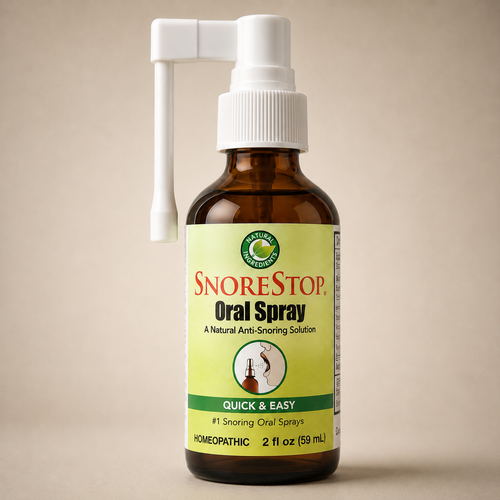
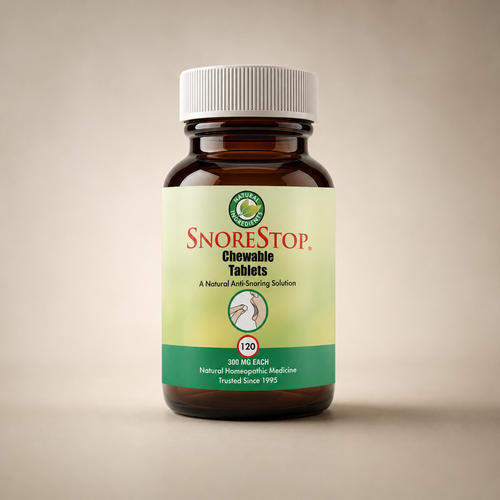
For snoring that starts in the throat, SnoreStop Anti-Snoring Oral Spray is sprayed into the mouth before bed, and SnoreStop Chewable Tablets are the tablet option. To choose a pillow, read Top 5 Anti-snore Pillows or see the SnoreStop BreatheFlo Pillow.
See a doctor if you snore loudly in every position, gasp or stop breathing during sleep, or feel very sleepy during the day. Those are signs of sleep apnea, which position changes alone do not treat.
Frequently asked questions about sleeping positions and snoring
What is the worst sleeping position for snoring?
Sleeping flat on your back is the worst position for snoring. Gravity pulls the tongue and soft palate into the throat and narrows the airway.
Can a pillow stop snoring?
Yes, the right pillow reduces snoring when it keeps your neck straight or raises your upper body. A pillow does not fix snoring caused by a blocked nose, alcohol or extra weight.
How long does it take to get used to sleeping on your side?
Most people get used to side sleeping within a few weeks. A body pillow and a pillow between the knees make the change more comfortable.
Is snoring only on your back a sign of sleep apnea?
No, snoring only on your back is common and often harmless. Positional snoring with pauses in breathing, gasping or daytime sleepiness can point to sleep apnea and needs a doctor's check.