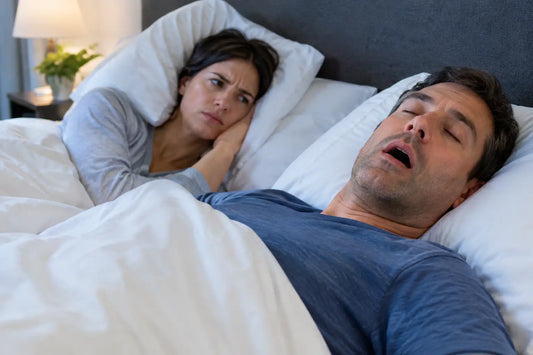
An elbow nudge at 2 a.m. is frustrating enough. Adding tape across your lips can make bedtime feel even less relaxing. If you are looking for alternatives to mouth tape, you are not alone. Many people want help with non-apneic snoring but would rather not wear something restrictive, conspicuous, or uncomfortable through the night.
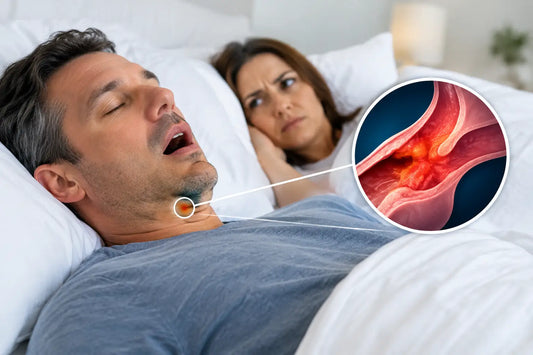
Mouth tape is often discussed as a way to encourage nasal breathing, especially for people who wake with a dry mouth. But snoring is not one-size-fits-all. For many adults, the sound begins when tissues in the mouth and back of the throat relax during sleep and narrow the airflow path. Closing the lips does not necessarily address that source of the noise.
The right approach depends on why you snore, how often it happens, and what you can realistically use night after night. Here are seven options worth considering, from simple habit adjustments to discreet, device-free support.
Why Some People Look Beyond Mouth Tape
Mouth tape may seem like a small change, but it is still an external device that holds the mouth closed. Some people find the sensation uncomfortable or anxiety-provoking. Others are concerned about using it when they have congestion, allergies, or trouble breathing freely through the nose.
It can also be awkward. Not everyone wants to pack an obvious sleep device for a weekend away, a work trip, or an overnight stay with a new partner. And if the tape does not make a meaningful difference in snoring, the inconvenience can feel especially discouraging.
Before trying any snoring remedy, pay attention to warning signs that call for medical evaluation. Loud habitual snoring accompanied by pauses in breathing, gasping, choking, morning headaches, severe daytime sleepiness, or high blood pressure may point to sleep apnea. Mouth tape and other over-the-counter snoring aids are not treatments for sleep apnea or substitutes for a conversation with a healthcare professional.
1. Change Your Sleep Position
For many people, back sleeping makes snoring more likely. Gravity can allow the tongue and soft tissues of the upper airway to fall backward, reducing space for airflow. Side sleeping may help keep the airway more open and reduce the vibration that creates snoring.
A body pillow, a pillow placed behind the back, or a positional sleep aid can make side sleeping easier to maintain. This is one of the simplest alternatives because it does not require anything on the face or in the mouth. The trade-off is consistency: if you naturally roll onto your back, position changes may only help part of the night.
2. Address Nasal Congestion When It Is the Issue
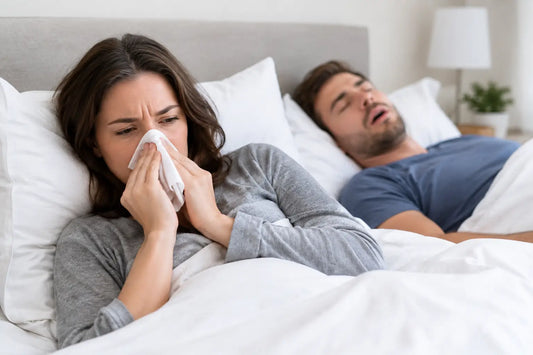
A stuffy nose can encourage mouth breathing and make sleep noisier. If seasonal allergies, a cold, dry air, or irritants are causing congestion, addressing the underlying trigger may improve comfort at bedtime.
A saline rinse or spray, allergy management recommended by a clinician, and a clean, appropriately humidified bedroom may be useful depending on the cause. Nasal strips and nasal dilators are another option for people whose snoring is clearly connected to nasal airflow. They work on the outside of the nose or just inside the nostrils, however, so they may not suit someone hoping to avoid mechanical devices altogether.
3. Make Evening Habits Work for Your Sleep
Alcohol can relax throat tissues, particularly when consumed close to bedtime, and may make snoring louder or more frequent. Sedating medications can have a similar effect for some people. If you take prescription medicines, never change them on your own, but ask your prescriber whether timing or side effects could be affecting sleep.
A lighter evening, a regular sleep schedule, and avoiding alcohol near bedtime can be practical first steps. These changes are not instant fixes, and they will not resolve every kind of snoring. Still, they can make a noticeable difference when occasional snoring follows a late night, drinks with dinner, or a stretch of poor sleep.
4. Consider Weight and Overall Health, Without Blame
Weight can influence snoring because extra tissue around the neck and upper airway may narrow the breathing space during sleep. For people who are overweight, gradual weight management can reduce snoring over time and support overall health.
That said, snoring affects people of many body types. It is not a personal failure, and it is not useful to treat it as one. If weight loss is part of your health plan, choose sustainable support from a qualified professional rather than expecting a crash diet to solve a bedtime problem by next week.
5. Try an Oral Appliance Only When It Fits Your Needs
Mandibular advancement devices, often called mouthguards for snoring, hold the lower jaw forward. For the right person, that can help create more room in the airway. A dentist can help determine whether a custom appliance is appropriate, especially if you have jaw pain, teeth grinding, dental work, or a bite concern.
The downside is easy to understand if you have ever slept with one: oral appliances can feel bulky. Some users experience jaw soreness, tooth discomfort, or changes in how their bite feels. They can be worthwhile for certain people, but they are not the only path to quieter sleep.
6. Use an Internal, Device-Free Approach
For adults with non-apneic snoring who do not want tape, chin straps, clips, or a mouthguard, an oral spray or chewable tablet may be a more comfortable fit. Rather than trying to hold the nose, mouth, or jaw in a different position, this approach is used in the mouth and reaches the back of the throat, where relaxed upper-airway tissues commonly contribute to snoring.
This distinction matters. Snoring often involves more than whether the lips stay closed. A device-free option can fit naturally into a bedtime routine, without adhesive on the skin or equipment to wear all night. It is also far easier to take along than a bulky appliance when you are sharing a hotel room, visiting family, or hoping to avoid the stress of packing an embarrassing sleep device.
SnoreStop offers doctor-formulated oral sprays and chewable tablets made with natural-source active ingredients from plant, mineral, and protein sources, prepared according to HPUS standards. Its products are FDA-regulated over-the-counter medicines and manufactured in the United States according to Good Manufacturing Practices. The studied Chewable Tablet formula was evaluated in an independent randomized, double-blind, placebo-controlled clinical study published in Sleep and Breathing. In that study, 79.5% of participants taking the formula reported positive results, with no side effects or drug interactions reported.
As with any over-the-counter product, read and follow the label. A device-free option may be particularly appealing if comfort and discretion are the reasons you are searching for alternatives, but it is intended for non-apneic snoring, not suspected sleep apnea.
7. Get a Clearer Answer When Snoring Persists
Sometimes the best alternative to experimenting with one more device is finding out what is actually happening during sleep. A clinician, dentist, or sleep specialist can help assess persistent snoring, nasal obstruction, jaw anatomy, medication effects, and possible sleep apnea.
This is especially worthwhile if your bed partner notices breathing pauses or you wake unrefreshed despite a full night in bed. Getting evaluated is not overreacting. It can replace guesswork with a plan that fits your health and your sleep.
Choosing Among Alternatives to Mouth Tape
There is no prize for using the most complicated solution. A good choice is one that addresses the likely source of your snoring and feels comfortable enough to use consistently. If congestion is the clear trigger, nasal support may make sense. If back sleeping is the pattern, positional changes are a reasonable place to start. If your jaw position is a factor, professional guidance on an oral appliance may help.
For many people, though, the goal is simpler: fewer disrupted nights without tape, straps, clips, or a mouthguard. An internal oral spray or chewable can offer a practical middle ground for non-apneic snoring, particularly when you want something discreet for home or travel.
Quieter sleep is not just about reducing a sound. It is about fewer elbow nudges, less worry before a trip, and more chances to wake up feeling like you shared the night instead of survived it.