

To stop snoring naturally, keep your airway open while you sleep: sleep on your side, raise the head of your bed, clear your nose before bed, skip alcohol in the evening and lose extra weight around the neck. Most people need two or three of these changes together, matched to where their snoring starts.
Snoring starts in the mouth, the throat or the nose, and each type responds to different fixes. Position, weight, alcohol, nasal care, throat exercises, food and sleep routine each solve a different trigger. Women often start snoring during pregnancy or menopause, while men more often snore because of neck weight and evening drinks. Side sleeping and a clear nose work on the first night, and weight loss and exercises bring lasting change. Loud snoring with pauses in breathing needs a doctor, not a home remedy.
How do you stop snoring naturally?
You stop snoring naturally by removing the thing that narrows your airway at night. For back sleepers that is the tongue falling backward. For people with allergies or colds it is a blocked nose. For people who drink in the evening it is relaxed throat muscles. Find your trigger first, then pick the tips that target it.
What causes snoring?
Snoring happens when air cannot move freely through the mouth, the back of the throat or the nose during sleep. Soft tissue in a narrowed airway vibrates as air passes, and that vibration is the sound you hear.
The most common causes of snoring are listed below.
- A blocked airway in the mouth or the back of the throat
- Nasal congestion from colds, allergies or dry air
- Poor muscle tone in the throat or tongue
- Excess body weight, especially around the neck
- Sleeping on your back, which lets the tongue and soft palate fall backward
- Alcohol or sedatives before bed, which relax the throat muscles
What are the types of snoring?
There are three types of snoring, named after where the vibration starts.
- Mouth snoring happens when a blocked nose forces you to breathe through an open mouth.
- Throat snoring comes from a narrowed airway at the back of the throat, an enlarged uvula or a tongue that falls back.
- Nose snoring comes from blocked nasal passages, often from congestion or allergies.
17 natural ways to stop snoring
These 17 natural ways to stop snoring are grouped into sleep position, weight and habits, nose and allergies, throat muscles, food and drink, and sleep routine.

1. Sleep on your side
Side sleeping stops snoring for many back sleepers because the tongue and soft palate no longer fall back into the throat. A body pillow behind your back keeps you from rolling over. Some people sew a tennis ball into the back of a sleep shirt for the same reason.
2. Raise the head of your bed
Raising the head of the bed by a few inches helps gravity keep the airway open. Use a wedge pillow, an adjustable bed or blocks under the bed's front legs. Stacking ordinary pillows bends the neck and can make snoring worse.
3. Lose extra weight around the neck
Extra weight around the neck and chest presses on the airway and the muscles you breathe with. Even a few pounds of weight loss can make snoring quieter or less frequent for people who started snoring after gaining weight.
4. Skip alcohol in the evening
Alcohol relaxes the throat muscles, so the airway collapses more easily during sleep. Stop drinking several hours before bed, especially on nights when your partner needs a full night's rest.
5. Quit smoking
Smoking irritates and inflames the lining of the nose and throat, which narrows the airway. Snoring often eases as the airways recover after quitting.
6. Avoid sedatives before bed
Sleeping pills and other sedatives relax the throat muscles the same way alcohol does. If you take a sedative and snore, ask your doctor whether a different medicine or timing would suit you. Do not stop a prescribed medicine on your own.
7. Clear your nose before bed
A clear nose stops mouth breathing, one of the main reasons people snore. A saline rinse, steam inhalation or a warm shower before bed loosens mucus and opens the nasal passages.
8. Cut allergens in the bedroom
Dust mites, pollen and pet dander block the nose and throat at night. Wash pillowcases and sheets every week, use hypoallergenic covers, keep pets off the bed and dust ceiling fans and surfaces often. A HEPA air purifier helps in rooms with heavy dust or pollen.
9. Use a humidifier
Dry air dries out the throat and nasal membranes, which adds congestion and vibration. A humidifier keeps bedroom air moist, especially in winter when heating runs all night.
10. Drink enough water during the day
Dehydration thickens the mucus in your nose and mouth, and thick mucus makes snoring more likely. Drink water steadily through the day rather than a large glass right before bed. Read more in Can Drinking Enough Water Help You Stop Snoring?
11. Do throat and tongue exercises
Throat and tongue exercises strengthen the muscles that hold the airway open. Try this routine before bed:
- Open your mouth as wide as you can and hold the position for 10 seconds.
- Stick your tongue straight out and hold it still for 10 seconds.
- Press your tongue to the roof of your mouth and slide it backward, ten times.
- Say each vowel (a, e, i, o, u) loudly and slowly, five times.
- Close your mouth, press your lips together and hold for 30 seconds.
Singing also works the same throat muscles.
12. Practise nasal breathing techniques
Breathing methods such as the Buteyko method and diaphragmatic breathing train you to breathe slowly through your nose. Practise for a few minutes before sleep to make nose breathing the default.
13. Diffuse essential oils
Eucalyptus, peppermint and niaouli oils help the nose feel clearer at night. Add a few drops to a bedroom diffuser before you sleep. SnoreStop Breathe Flo Oil blends eucalyptus globulus and niaouli for diffuser use.
14. Drink a warm herbal tea
Peppermint, ginger and chamomile teas soothe the throat and help loosen congestion. A spoon of honey in the tea adds a coating effect for a dry throat.
15. Eat anti-inflammatory foods and lighter dinners
Berries, leafy greens and nuts are anti-inflammatory foods that support clearer airways. Avoid large, heavy meals and dairy late in the evening, since both can add mucus and pressure at bedtime. See What to Eat to Stop Snoring for a full list.
16. Keep a regular sleep schedule
Going to bed at the same time every night prevents overtired, extra-relaxed throat muscles. Wind down with a book instead of falling asleep in front of the TV, and avoid caffeine and heavy snacks in the hours before bed.
17. Track your snoring
A free sleep app or a sleep journal shows which changes reduce your snoring and on which nights it gets worse. Record your sleep position, alcohol, meals and congestion so you can see patterns after one or two weeks.
How can a woman stop snoring naturally?
A woman stops snoring naturally with the same airway-opening steps, plus attention to hormonal changes. Women often start snoring during pregnancy or after menopause, when changes in hormones and weight affect the airway. Side sleeping, a raised bed, nasal saline and a lighter evening meal help most. Snoring that starts during pregnancy is worth mentioning to your doctor or midwife. Read more in What Causes Snoring in Women.
How can a man stop snoring naturally?
A man stops snoring naturally by focusing on weight around the neck, evening alcohol and back sleeping, the three triggers most common in men. Cutting evening drinks and training yourself to sleep on your side often brings the fastest change. Weight loss and throat exercises take longer but last.
How do you stop snoring immediately?
To stop snoring tonight, sleep on your side, raise your head with a wedge pillow, clear your nose with saline or steam and skip alcohol this evening. These four steps work on the first night because they open the airway mechanically. Exercises, weight loss and allergy control take weeks.
Can you stop snoring naturally and permanently?
Yes, many people stop snoring permanently when they remove the cause, such as excess weight, smoking, evening alcohol or untreated allergies. Mayo Clinic lists lifestyle changes like losing weight, avoiding alcohol near bedtime, treating nasal congestion and sleeping on your side as first steps for snoring. Snoring from the shape of your nose or throat may need a doctor's help to stop for good.

When is snoring a sign of sleep apnea?
Snoring is a possible sign of obstructive sleep apnea when it is loud, happens most nights and comes with pauses in breathing, gasping or choking. Sleep apnea strains the heart and is linked to high blood pressure and daytime fatigue. See a doctor if you or your partner notice:
- Pauses in breathing or gasping during sleep
- Strong daytime sleepiness or falling asleep while driving
- Morning headaches
- Snoring that does not improve after several weeks of these changes
Natural remedies help simple snoring. They do not treat sleep apnea. Read Hazards of Snoring for the health risks.
Which SnoreStop products support natural snoring relief?
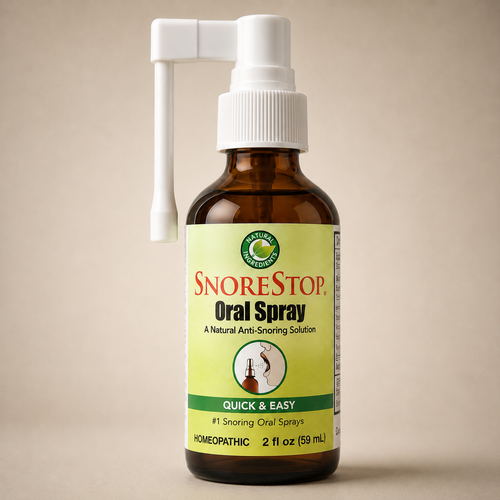
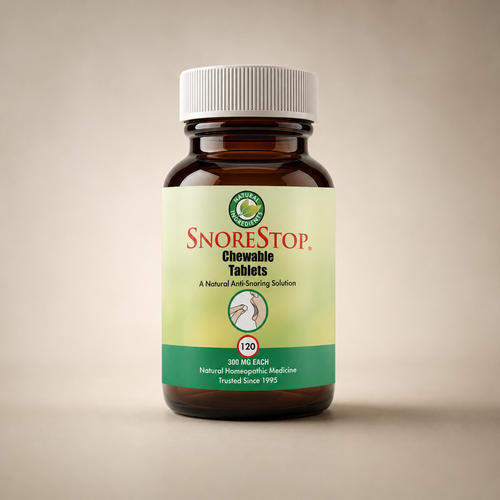
SnoreStop makes device-free products for non-apneic snoring that fit alongside the tips above. SnoreStop Anti-Snoring Oral Spray is sprayed into the mouth before bed, and SnoreStop Chewable Tablets are the tablet option for people who prefer not to use a spray. Compare both formats on the SnoreStop comparison page.
For sleep position, read The 4 Best Sleep Positions To Prevent Snoring and Top 5 Anti-snore Pillows.
How can you sleep next to a snorer?
You can sleep next to a snorer by blocking the sound while you both work on the cause. White noise or earplugs help in the short term. Sleeping in separate rooms on hard nights protects your rest, but treat it as temporary. Talk about the snoring kindly, since nobody snores on purpose, and track progress together with a sleep app. Read The Truth About Alcohol and Snoring if evening drinks are part of the pattern.
Frequently asked questions about stopping snoring naturally
What is the most effective natural remedy for snoring?
Side sleeping is the most effective natural remedy for people who snore on their back. For everyone else, the best remedy depends on the cause: weight loss for snoring linked to weight gain, nasal care for congestion and cutting evening alcohol for alcohol-related snoring.
How long does it take to stop snoring naturally?
Position changes, nasal care and skipping alcohol work from the first night. Throat exercises, weight loss and allergy control usually take several weeks of daily practice before snoring drops.
Can essential oils stop snoring?
Essential oils help when snoring comes from a blocked nose. Eucalyptus and peppermint make the nose feel clearer, but they do not fix snoring caused by back sleeping, weight or alcohol.
Does sleeping position affect snoring?
Yes, sleeping on your back makes snoring worse because the tongue falls toward the throat. Side sleeping or a raised head keeps the airway more open.
Is snoring always a sign of something serious?
No, occasional snoring is usually harmless. Loud, nightly snoring with pauses in breathing, gasping or daytime sleepiness can signal sleep apnea and needs a doctor.
Can children snore too?
Yes, children snore, often because of enlarged tonsils or adenoids. Take a child who snores loudly most nights to a doctor, since untreated breathing problems at night can affect a child's sleep and daytime behaviour.