An elbow nudge at 2 a.m., a tired partner moving to the couch, or that uneasy feeling before sharing a hotel room can all lead to the same question: what causes snoring at night? Snoring is common, but it is not simply a harmless sound someone makes because they sleep deeply. It happens when airflow meets resistance in the upper airway and causes relaxed tissues to vibrate.
For many adults, the cause is not one single thing. A stuffy nose may make snoring worse during allergy season, while a glass of wine, sleeping on the back, or ordinary age-related changes can turn a quiet sleeper into a much louder one. Understanding the likely contributors can help you make practical changes and recognize when it is time to speak with a healthcare professional.
What causes snoring at night in the first place?
As you fall asleep, the muscles in the mouth, throat, and tongue naturally relax. If the airway becomes narrower, air has to move through a smaller space. That moving air can make the soft palate, tongue, throat tissues, or other soft tissues vibrate. The vibration is the sound of snoring.
Everyone's airway is different, which is why one person may snore only after a cold while another snores most nights. The sound can range from a soft rumble to room-filling noise, but the basic mechanics are similar: relaxed tissue plus restricted airflow.
Snoring often becomes more noticeable during deeper stages of sleep, when muscle tone is lower. It can also vary night to night. A person who seemed quiet last week may snore after a late dinner, a difficult workday, seasonal congestion, or a few drinks at a celebration.
Common reasons snoring gets louder
Sleeping on your back
Back sleeping can allow the tongue and soft tissues in the throat to settle backward. For some people, this narrows the airway enough to create more vibration. That is why a bed partner may notice that the snoring eases when the snorer rolls onto their side.
Position is a useful clue, though it is not a complete answer for everyone. Side sleeping may help with position-related snoring, but it will not necessarily address congestion, alcohol-related muscle relaxation, or other contributing factors.
Nasal congestion and seasonal allergies
When the nose is blocked by a cold, allergies, or irritation, people may breathe more through the mouth during sleep. Mouth breathing can change airflow through the upper airway and make snoring more likely or louder.
This is one reason occasional snoring can show up during pollen season or when a household cold makes the rounds. If congestion is persistent, recurrent, or paired with significant daytime symptoms, a healthcare professional can help identify the cause.
Alcohol close to bedtime
Alcohol can relax throat muscles more than usual and reduce the body's ability to respond to airway narrowing. For some people, even an otherwise quiet night can become a noisy one after drinks in the evening.
The trade-off is worth considering, especially before a shared vacation, an early meeting, or a night when both partners need real rest. Moving alcohol earlier in the evening or skipping it before bed may make a noticeable difference for some adults.
Fatigue and inconsistent sleep
Being overtired does not automatically cause snoring, but it can contribute to deeper sleep and greater muscle relaxation. Travel, long workweeks, stress, and changing sleep schedules can all leave the body playing catch-up.
A more consistent bedtime routine may not solve every case, but it gives you a clearer picture of what is affecting your sleep. It can also reduce the frustrating cycle where one person's snoring leaves both people tired, and tiredness makes the next night more difficult.
Weight changes and airway anatomy
Body weight can affect the tissues around the neck and upper airway. For some people, weight gain can increase the likelihood of airway narrowing during sleep. At the same time, thin people snore too. The size and shape of the jaw, tongue, soft palate, nasal passages, and throat all matter.
That is why snoring should not be treated as a character flaw or blamed on one lifestyle factor. It is a physical airflow issue, and the right approach depends on what is contributing to it.
Aging and changing muscle tone
Snoring becomes more common with age because muscle tone in the upper airway can gradually decrease. Hormonal changes can also influence sleep and airway tissues. These changes are normal, but the impact can feel anything but normal when a couple starts dealing with nightly interruptions after years of quiet sleep.
The goal is not to accept sleepless nights as inevitable. It is to identify manageable factors and choose an approach you can comfortably use night after night.
Smoking and airway irritation
Smoke can irritate and inflame the tissues of the nose and throat, contributing to congestion and narrowing. Reducing or quitting smoking can support respiratory health in many ways, and it may help lessen snoring for some people.
Why mouth and throat tissues matter
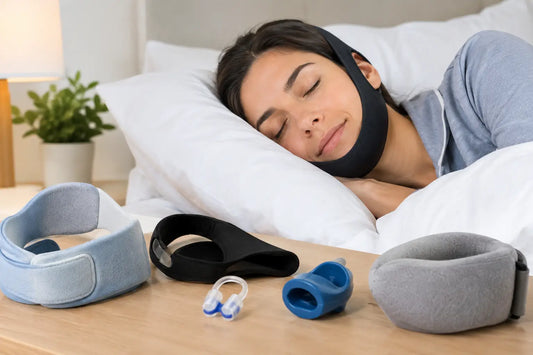
Many anti-snoring options focus on the outside of the face by pulling open the nose, holding the jaw, or encouraging the mouth to stay closed. Those approaches may appeal to some people, particularly when nasal blockage is the main issue. But they can feel restrictive, awkward, or simply too obvious to pack for a weekend away.
For non-apneic snoring that commonly begins with relaxed tissues in the mouth and back of the throat, an oral approach may be a more comfortable fit. SnoreStop offers doctor-formulated oral sprays and chewable tablets designed to work from inside the mouth and at the back of the throat, without a mouthguard, chin strap, tape, clip, or bulky overnight equipment.
Its products use natural-source active ingredients prepared according to HPUS standards and are FDA-regulated OTC medicines manufactured in the United States following Good Manufacturing Practices. The studied SnoreStop Chewable Tablet formula was evaluated in an independent randomized, double-blind, placebo-controlled study published in Sleep and Breathing. In that study, 79.5% of participants taking the formula reported positive results, with no side effects or drug interactions reported.
Individual results can vary, and no over-the-counter product should replace medical evaluation when symptoms suggest a breathing disorder during sleep. Still, for adults dealing with ordinary, non-apneic snoring, a discreet bedtime option can be easier to stick with than equipment that ends up in a drawer.
When snoring needs medical attention
Not all snoring is the same. Snoring can sometimes be associated with obstructive sleep apnea, a condition involving repeated breathing disruptions during sleep. SnoreStop is intended for non-apneic snoring and is not a treatment for sleep apnea.
Talk with a healthcare professional promptly if snoring comes with witnessed pauses in breathing, gasping or choking during sleep, frequent morning headaches, excessive daytime sleepiness, trouble concentrating, or high blood pressure. A bed partner may notice these signs first, so it helps to take their observations seriously rather than dismissing them as another complaint about the noise.
Children who snore regularly should also be evaluated by a pediatric healthcare professional. Their causes and care needs can be different from those of adults.
Small changes that can support quieter nights
If you are trying to narrow down what triggers your snoring, start by observing patterns for a week or two. Notice whether it is worse after alcohol, during congestion, when you sleep on your back, or after a short night of sleep. A partner's observations can be especially helpful, provided the conversation stays kind and practical rather than turning into blame.
You might experiment with side sleeping, treating temporary congestion appropriately, keeping a steadier sleep schedule, and avoiding alcohol close to bedtime. These changes are low-risk, but their results depend on the person. If snoring centers on relaxed mouth and throat tissues, a simple oral option can be a useful addition to that routine.
Quieter nights are not only about reducing noise. They can mean fewer elbow nudges, more confidence before an overnight stay, and a better chance for both people to wake up rested. Start with the likely cause, stay alert for signs that need medical care, and choose a solution you will genuinely feel comfortable using at bedtime.