

An elbow nudge at 2 a.m. can feel like a small thing until it happens night after night. Snoring tablets may appeal to people who want to address non-apneic snoring without taping their mouth, wearing a jaw device, or packing an awkward sleep accessory for a weekend away. The right choice depends on why you snore, what you are comfortable using, and whether your symptoms point to something that needs medical attention.
What are snoring tablets?
Snoring tablets are oral products designed to be used as part of a bedtime routine. Rather than trying to hold the nose, mouth, or jaw in a certain position from the outside, chewable options are intended to dissolve in the mouth and deliver their formula toward the back of the throat.
That difference matters for people who have already tried the usual lineup of nasal strips, mouthguards, chin straps, clips, or mouth tape. Those devices can help some people, especially when nasal congestion or mouth opening is a major factor. But they can also feel restrictive, leave skin irritated, interfere with sleep, or simply be difficult to use consistently. A solution only helps if it is one you can comfortably use night after night.
For a frequent traveler, a discreet oral option can also be easier to keep on hand than a bulky device. For someone dating or sharing a room with friends or family, it may offer a little more peace of mind without the worry of explaining a complicated bedtime setup.
Why snoring often starts in the throat
Snoring is the sound of air moving past relaxed tissues in the upper airway. As you fall asleep, muscles in the mouth and throat naturally relax. If the airway becomes narrower, those tissues can vibrate as air passes through them, creating the familiar sound that keeps a bed partner awake - and can leave the snorer with a dry mouth or tired morning.
Several everyday factors can make this more likely. Sleeping on your back, alcohol close to bedtime, nasal stuffiness, fatigue, and normal changes in muscle tone with age can all play a role. Weight can be a factor for some people, but it is far from the whole story. That is why there is no single anti-snoring approach that works the same way for everyone.
A tablet is not trying to physically reposition the jaw or seal the lips. It is a device-free approach for people whose non-apneic snoring may involve relaxed tissue in the mouth and back of the throat.
How chewable snoring tablets fit into a routine
The appeal is straightforward: use the tablet at bedtime, chew it thoroughly, and allow the formula to work where it is intended to be delivered. There are no straps to adjust in the dark, no adhesive to remove in the morning, and no appliance to clean before coffee.
That simplicity is useful, but it should not be confused with a one-size-fits-all promise. Results can vary with the underlying cause of snoring, lifestyle factors, and consistent use according to the product directions. If congestion is the main issue, for example, managing the congestion may still be an important part of a quieter night. If back sleeping clearly makes snoring worse, changing sleep position may help alongside an oral product.
The best bedtime plan is usually the one that is realistic. A chewable tablet can be especially practical for adults who want a compact, non-invasive option and prefer not to sleep in a mouthguard or taped-up device.
Why the formula and standards matter
Not all products marketed for snoring are made the same way. Look beyond broad terms such as “natural” and check what the product actually is, how it is manufactured, and whether its instructions and intended use are clear.
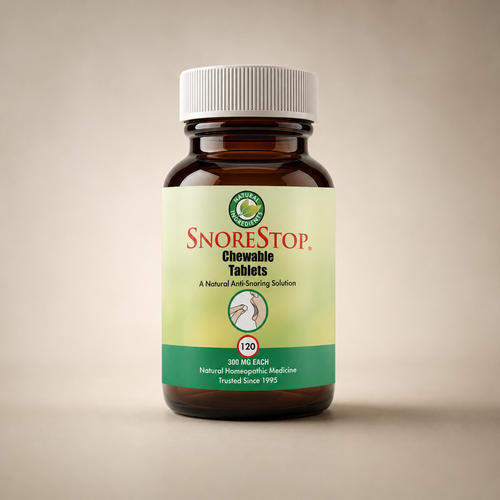
SnoreStop Chewable Tablets are a doctor-formulated, FDA-regulated OTC medicine made in the United States according to Good Manufacturing Practices. The formula uses natural-source active ingredients derived from plant, mineral, and protein sources and is prepared according to HPUS standards. These details are meaningful for shoppers who want a convenient product with established quality practices behind it, rather than an unverified remedy with vague claims.
Natural-source ingredients do not mean a product is right for every person. Read the package carefully, follow its directions, and speak with a healthcare professional or pharmacist if you have questions about your personal health situation.
What published research on snoring tablets can tell you
When comparing snoring products, evidence deserves more than a quick glance at a star rating. Customer experiences can be helpful, but they are not the same as a controlled study. It is worth asking whether a specific formula - not merely an ingredient or a brand category - has been evaluated.
The studied SnoreStop Chewable Tablet formula was evaluated in an independent, randomized, double-blind, placebo-controlled clinical study published in the peer-reviewed journal Sleep and Breathing. In that study, 79.5% of participants taking the formula reported positive results. No side effects or drug interactions were reported in the study.
Those findings are encouraging, while still calling for sensible expectations. A clinical study does not guarantee the same outcome for every person, and the finding applies specifically to the studied chewable formula. It should not be stretched to cover every tablet, spray, device, or cause of snoring.
Choosing between tablets and external devices
A practical choice starts with comfort and likely cause. External devices may make sense for someone who knows their snoring is closely tied to jaw position, nasal airflow, or sleeping with an open mouth. Others may find that those solutions create a new problem: a sore jaw, a feeling of restriction, adhesive residue, or a device abandoned in a bathroom drawer after three nights.
Chewable tablets may be a better fit when you want an option that is:
- Device-free, with nothing attached to the face, nose, or jaw overnight.
- Discreet and portable, whether you are at home, in a hotel, or sharing a cabin with family.
- Easy to use, without fitting, cleaning, charging, or adjusting equipment.
- Focused inside the mouth and throat, where relaxed upper-airway tissues commonly contribute to non-apneic snoring.
When snoring needs medical attention
Snoring is common, but it is not always simple. Oral snoring products are intended for non-apneic snoring and are not a treatment for sleep apnea or a substitute for medical evaluation.
Talk with a healthcare professional promptly if snoring comes with pauses in breathing, choking or gasping during sleep, pronounced daytime sleepiness, morning headaches, difficulty concentrating, or high blood pressure. A bed partner may notice these signs before the person who snores does, so take those observations seriously. Sleep apnea is a medical condition that needs proper assessment and may require treatment beyond any over-the-counter product.
It is also wise to check in with a clinician if snoring is new, suddenly much louder, or accompanied by other concerning symptoms. Seeking an evaluation is not overreacting. It is a practical step toward protecting your sleep and health.
A quieter bedroom can mean fewer nightly nudges, more confidence before an overnight trip, and a little more energy for the day ahead. If your snoring is non-apneic and you want to skip the straps and bulky equipment, a thoughtfully made chewable tablet may be a comfortable next step to try.