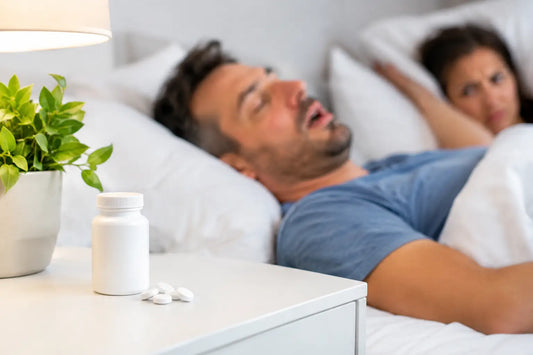
The elbow nudge at 2 a.m. is rarely about blame. One person is trying to sleep, the other is trying not to wake the whole room, and both are tired of making bedtime feel like a negotiation. If you want snoring relief without a mouthguard, you are not alone - and you do not have to start with a bulky device that changes how your jaw rests all night.
For many adults with non-apneic snoring, the most workable answer is one they can use consistently: a comfortable bedtime routine, a few sensible habit changes, and a discreet option that does not tape, pull, hold, or reposition the face. The right approach depends on what seems to trigger the snoring and whether there are signs that a medical evaluation should come first.
Why snoring happens in the first place
Snoring is the sound of air moving past relaxed tissues in the upper airway. As those tissues in the mouth and back of the throat relax during sleep, airflow can make them vibrate. The result may be an occasional soft rumble or a nightly sound loud enough to send a couple toward separate bedrooms.
Several factors can make this more likely. Sleeping on the back can allow the tongue and soft tissues to settle farther back. Alcohol close to bedtime can increase muscle relaxation. Nasal congestion, seasonal allergies, fatigue, and weight changes may also contribute. Age can play a role too, since airway tissues naturally become less firm over time.
That does not mean every snorer needs the same solution. Snoring linked to a stuffy nose may call for a different plan than snoring that seems to originate farther back in the throat. And if snoring comes with breathing pauses, choking or gasping, significant daytime sleepiness, morning headaches, or high blood pressure, it is time to speak with a healthcare professional. Those can be signs of sleep apnea, which needs medical evaluation rather than an over-the-counter snoring product.
Why mouthguards are not right for everyone
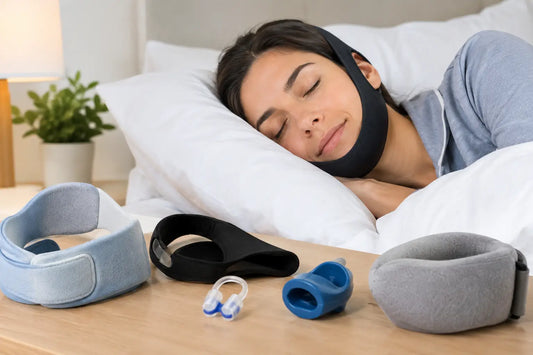
Anti-snoring mouthguards, sometimes called mandibular advancement devices, generally work by positioning the lower jaw forward. For some people, that may be appropriate under professional guidance. But it is not an easy fit for everyone.
A mouthguard can feel restrictive, especially for people who already clench their teeth, have jaw sensitivity, wear dental work, or simply dislike sleeping with something bulky in their mouth. It also asks for a level of nightly commitment that can be hard to maintain while traveling, sharing a room with friends, or staying over with a new partner. Packing an embarrassing sleep device is not exactly the confidence boost most people want before a trip.
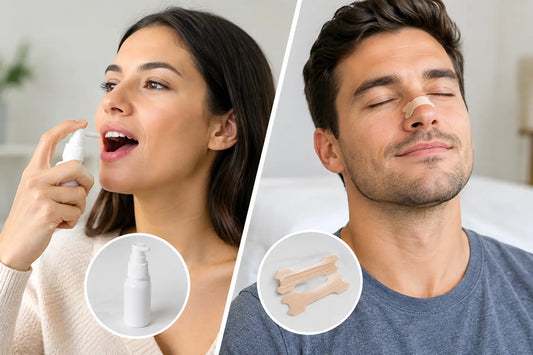
External options have their own trade-offs. Nasal strips may help when nasal airflow is the main issue, but they do not address tissues at the back of the throat. Mouth tape and chin straps can feel confining and are not appropriate for everyone, particularly people with nasal obstruction or breathing concerns. Nose clips can be awkward, easy to misplace, and uncomfortable for some users.
The practical question is not which device is most dramatic. It is which option addresses your likely snoring pattern while being comfortable enough to use as part of real life.
Snoring relief without mouthguard discomfort
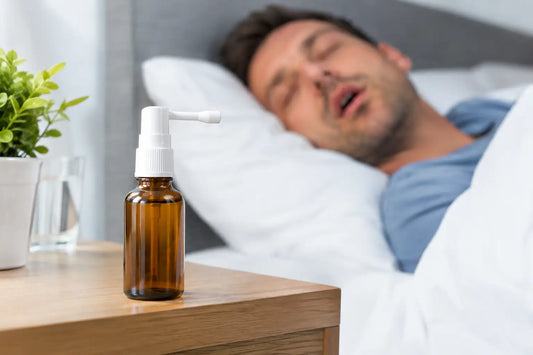
A device-free approach takes a different path. Rather than holding the jaw forward or pulling on the nose, oral sprays and chewable tablets are designed for use inside the mouth and toward the back of the throat, where relaxed upper-airway tissues commonly contribute to snoring.
This can be appealing if you want to keep your normal sleeping position and bedtime routine. There is no appliance to fit, no adhesive to remove in the morning, and no strap to explain if you are sharing a hotel room. For couples, that simplicity can matter. The best plan is often the one that does not create a new reason to avoid bedtime.
SnoreStop offers doctor-formulated oral sprays and chewable tablets for non-apneic snoring. The formulas use natural-source active ingredients derived from plant, mineral, and protein sources and are prepared according to HPUS standards. They are FDA-regulated over-the-counter medicines made in the United States according to Good Manufacturing Practices.
That language is more than a label detail. It reflects a straightforward goal: provide a convenient option for adults who do not want an overnight mechanical device. A spray may suit someone who prefers a quick application before bed, while a chewable tablet can make sense for someone who prefers a simple, portable part of their nighttime routine. Follow the product directions and review the label before use, especially if you have a medical condition or questions about whether the product is right for you.
Start with the habits that can make a difference
A device-free product can fit well alongside a few targeted adjustments. You do not need to turn bedtime into a project. Start with the factors that are most relevant to you and give them enough time to become routine.
Change your sleep position
Back sleeping can worsen snoring for some people. Try sleeping on your side with a supportive pillow that keeps your head and neck in a comfortable, neutral position. If you routinely roll onto your back, a body pillow can make side sleeping easier to maintain.
Be thoughtful about your evening routine
Alcohol near bedtime can make snoring louder by further relaxing airway tissues. If you notice a pattern, consider finishing drinks earlier or taking a few alcohol-free evenings to see whether your bed partner notices a difference. Staying well hydrated and keeping a consistent sleep schedule may also help when fatigue seems to make snoring worse.
Address temporary nasal congestion
When allergies or a cold leave you congested, clearing the nose before bed may improve airflow. This is especially useful when the snoring is new or clearly seasonal. But persistent congestion, frequent sinus symptoms, or difficulty breathing through the nose deserves a conversation with a clinician.
Give changes a fair trial
Snoring is not always identical from night to night. Travel, stress, dinner timing, sleep position, and congestion can all change the picture. Instead of judging a new routine after one night, look for trends over a week or two. A bed partner can be helpful here, but solo snorers can also use a sleep-recording app as a general awareness tool, not a diagnosis.
What credible support should look like
Snoring products make plenty of big promises, so it is reasonable to ask what stands behind them. Look for clear directions, transparent manufacturing information, and claims that do not blur the line between ordinary snoring and sleep apnea.
The studied SnoreStop Chewable Tablet formula was evaluated in an independent, randomized, double-blind, placebo-controlled clinical study published in the peer-reviewed journal Sleep and Breathing. In that study, 79.5% of participants taking the formula reported positive results. No side effects or drug interactions were reported in the study. Those findings apply specifically to the studied Chewable Tablet formula, not automatically to every snoring product or every person who snores.
That distinction matters. Individual results can vary with the source and severity of snoring, nightly habits, and overall health. A trustworthy company should make room for that reality while still giving customers a practical way to try an option that fits their lives.
When snoring needs more than an OTC option
Do not try to self-manage symptoms that may point to sleep apnea. Ask a healthcare professional about loud habitual snoring accompanied by witnessed pauses in breathing, gasping, choking, unexplained daytime sleepiness, trouble concentrating, morning headaches, or waking unrefreshed despite enough time in bed.
The same applies if a partner is genuinely worried about what they hear overnight. Getting checked is not overreacting. It is a useful step toward understanding what is happening and protecting your sleep health.
For ordinary non-apneic snoring, however, relief does not have to mean forcing yourself into a mouthguard you dread wearing. A simple, discreet routine can help make shared sleep feel less tense, travel feel less stressful, and bedtime feel like a place to reconnect rather than brace for the next elbow nudge.